Haemorrhoids, commonly called piles, are enlarged vascular cushions inside or around the anus. They may cause bright-red bleeding after a bowel movement, itching, mucus, soreness, a feeling of incomplete emptying or a lump at the anus. External haemorrhoids can become particularly painful if a clot forms.
Constipation, repeated straining, prolonged time on the toilet, pregnancy, heavy lifting, increasing age and excess weight can make haemorrhoids more likely. Rectal bleeding should not automatically be attributed to piles: anal fissures, bowel inflammation, polyps and bowel cancer can also bleed.
When to obtain help
Recognising serious symptoms
See a GP when symptoms worsen, do not improve after home care, recur frequently or feel different from usual. Fever, feeling generally unwell, pus, or painless rectal bleeding requires urgent advice. Heavy or continuous bleeding, large clots or severe pain warrants emergency assessment.
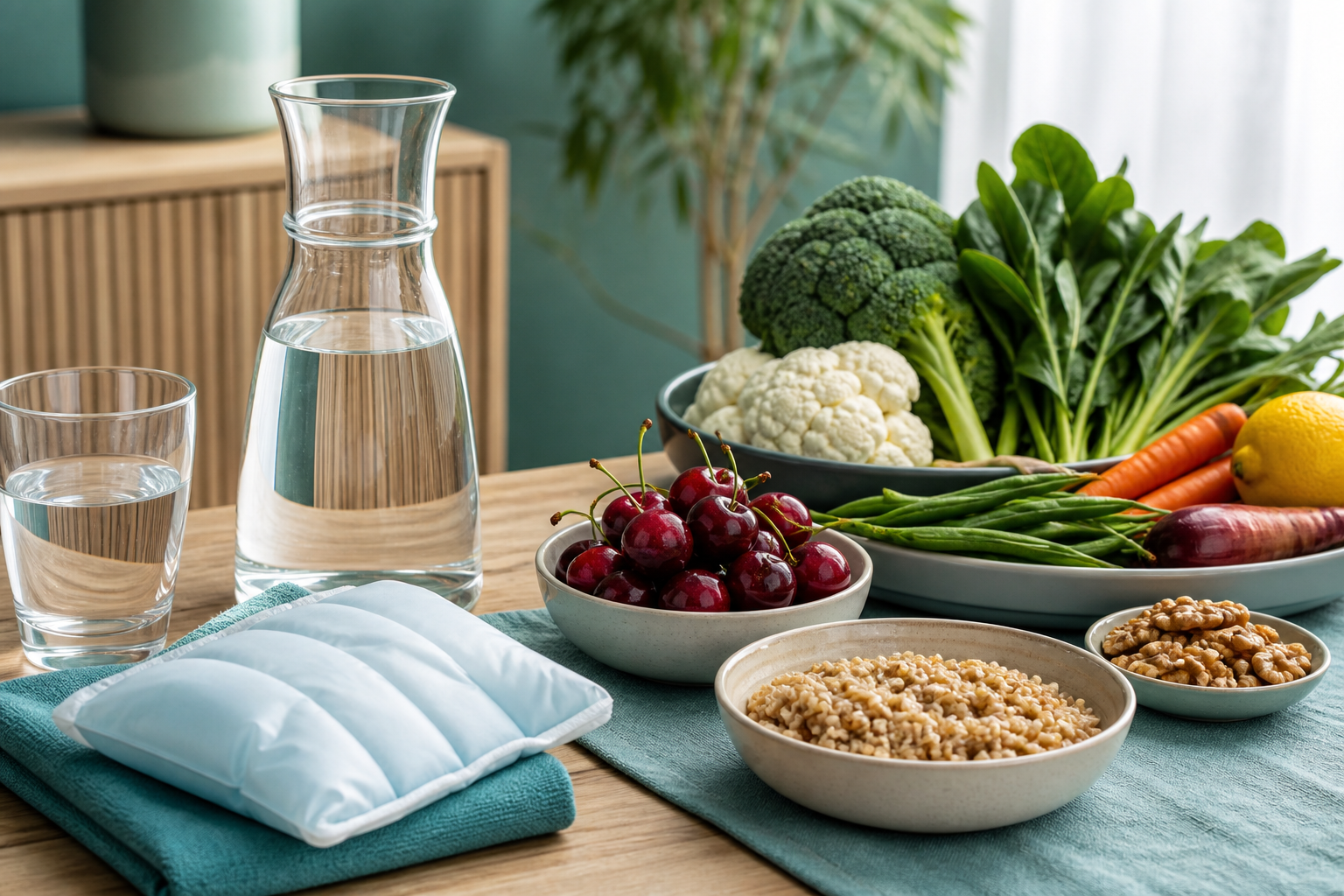
Many cases settle within days. Keep stools soft, avoid delaying the urge to open the bowels and do not strain or remain on the toilet longer than necessary. A warm bath or a wrapped cold pack can ease discomfort. Gently clean and pat the area dry. A pharmacist can advise on short-term creams, pain relief and laxatives; codeine can worsen constipation, and ibuprofen should be avoided when piles are bleeding.
Persistent or large haemorrhoids can be treated with rubber-band ligation, injection treatment, infrared coagulation or surgery. Topical products may relieve symptoms but do not address constipation or straining.
Fibre, fluid and bowel habits
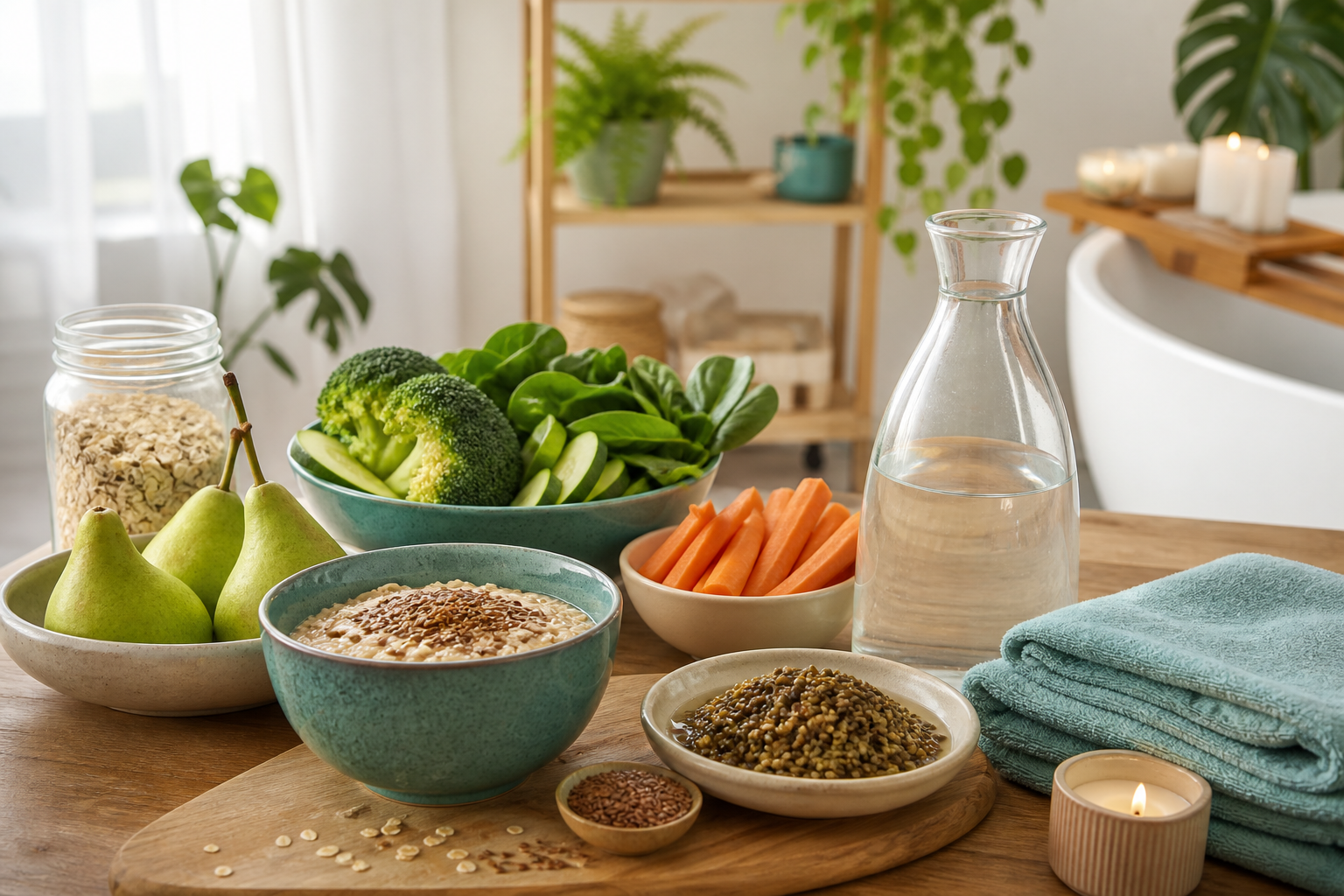
Vegetables, fruit, whole grains, beans, lentils, nuts and seeds supply fibre that makes stool easier to pass. Increase fibre gradually to limit bloating and wind, and drink enough fluid. Psyllium or soaked linseed may be useful when food alone is insufficient, but taking concentrated fibre without adequate fluid can worsen blockage.
Coffee enemas and castor-oil packs do not treat haemorrhoids and may irritate tissue, worsen symptoms or cause injury. The idea that piles result from an “overloaded liver” is not a recognised medical explanation.
Useful supplements
Supplements should be selected for the individual rather than used automatically. Product directions and advice from an appropriately qualified professional should take precedence over general information.
| Supplement | Effects |
|---|---|
| Psyllium husk or soaked linseed | Attracts water and forms a soft gel-like mass, supporting regular bowel movements without directly irritating the bowel. |
| Fructo-oligosaccharides | Provides soluble prebiotic fibre that holds water in stool, helping it remain softer and easier to pass. |
| Vitamin C | Supports normal connective-tissue maintenance and wound healing. |
| Anthocyanidins, such as bilberry or grapeseed extract | Described as supporting the structure and function of veins. |
| Essential fatty acids from seed or marine oils | Intended to support normal vein and tissue health. |
| Zinc | Supports normal tissue maintenance and healing. |
| Hop alpha acids | Intended to provide pain-relieving support. |
Prebiotic fibre can increase gas, and psyllium may affect medicine absorption, so spacing can be important. High-dose vitamin C or zinc can cause adverse effects, while marine oils and herbal extracts may interact with medicines. Supplements do not replace assessment of bleeding.
The central aim is simple: reduce constipation and straining while allowing irritated tissue to settle. Recurrent symptoms deserve review so that another cause is not missed and a more definitive treatment can be considered.
Looking for personalised nutrition and lifestyle support? An FNTP member may be able to help you explore an approach suited to your individual needs. Find an FNTP practitioner.
This article is for general education and does not replace individual medical advice, diagnosis or treatment.