Gallstones are solid deposits that form in the gallbladder, a small organ that stores bile. Bile is made by the liver and helps the intestine digest fat. Many gallstones cause no symptoms and are discovered during an investigation for something else. Problems arise when a stone blocks the gallbladder outlet or a bile duct.
Recognising serious symptoms
Biliary colic typically causes severe, constant pain in the upper abdomen or beneath the right ribs. It may last for more than 30 minutes and several hours and can be accompanied by nausea or vomiting. Seek urgent advice for pain lasting longer than 30 minutes. Sudden severe pain, pain spreading to the back with vomiting, fever or shivering, or yellowing of the skin or eyes requires emergency assessment because it may indicate infection, jaundice or pancreatitis.
Diagnosis and treatment
Ultrasound and blood tests are commonly used. Gallstones without symptoms may need no treatment. Recurrent symptoms or complications are usually treated by removing the gallbladder, while stones in the common bile duct may be removed by an endoscopic procedure called ERCP.
Gallstones contain cholesterol, pigment or a mixture of substances; they are not simply evidence that the body is “mishandling” fat. Risk rises with age, female sex, obesity, rapid weight loss, diabetes, Crohn’s disease and a high-fat, low-fibre diet. Castor-oil packs and coffee enemas do not dissolve gallstones and can cause harm or delay necessary treatment.
Eating with gallstone symptoms
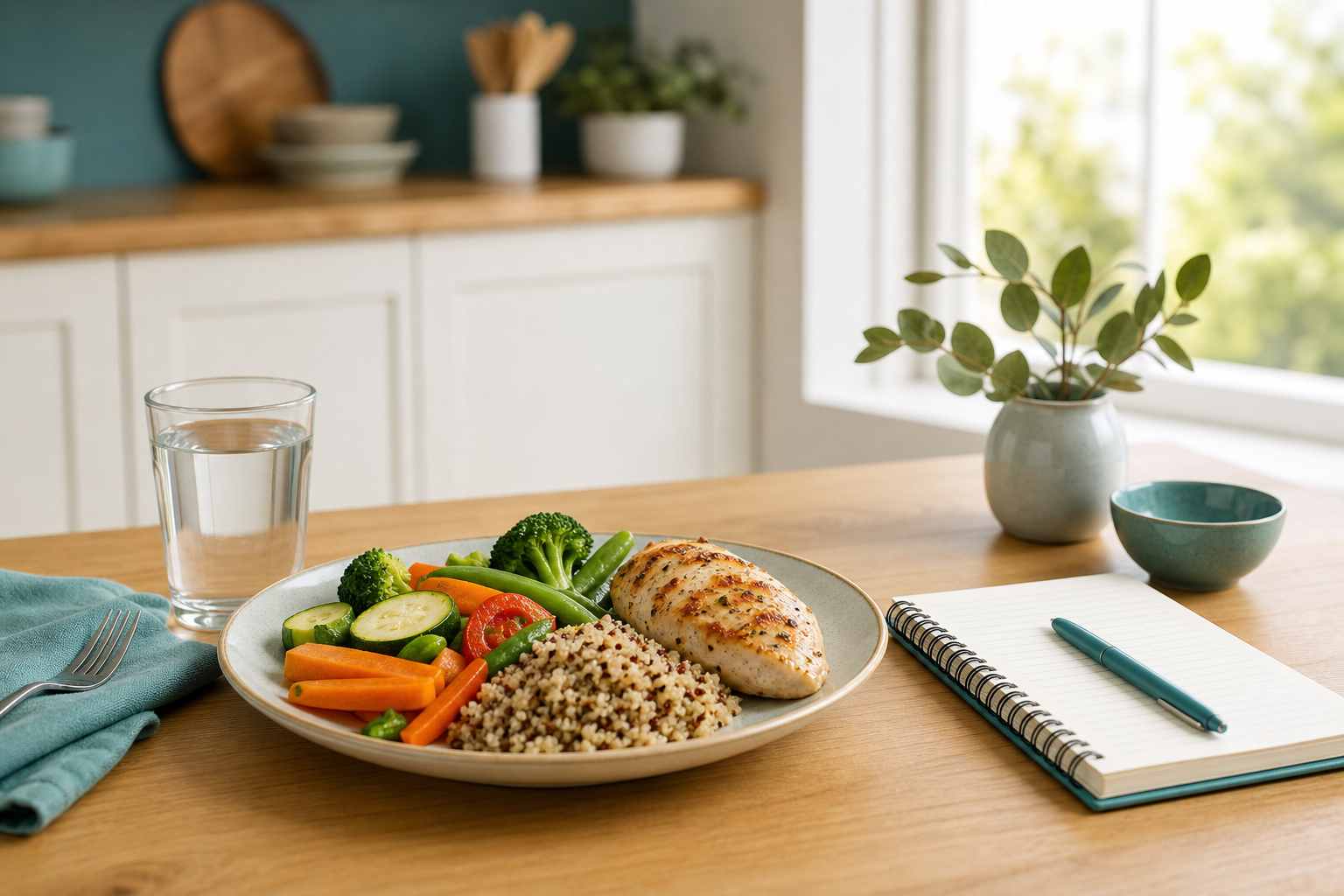
While awaiting assessment or surgery, it can help to record which meals precede symptoms and reduce foods that reliably provoke pain. Some people are advised to follow a lower-fat diet temporarily. This does not require eliminating all fat: modest portions of unsaturated fats and otherwise balanced meals are generally more sustainable than a highly restrictive programme.
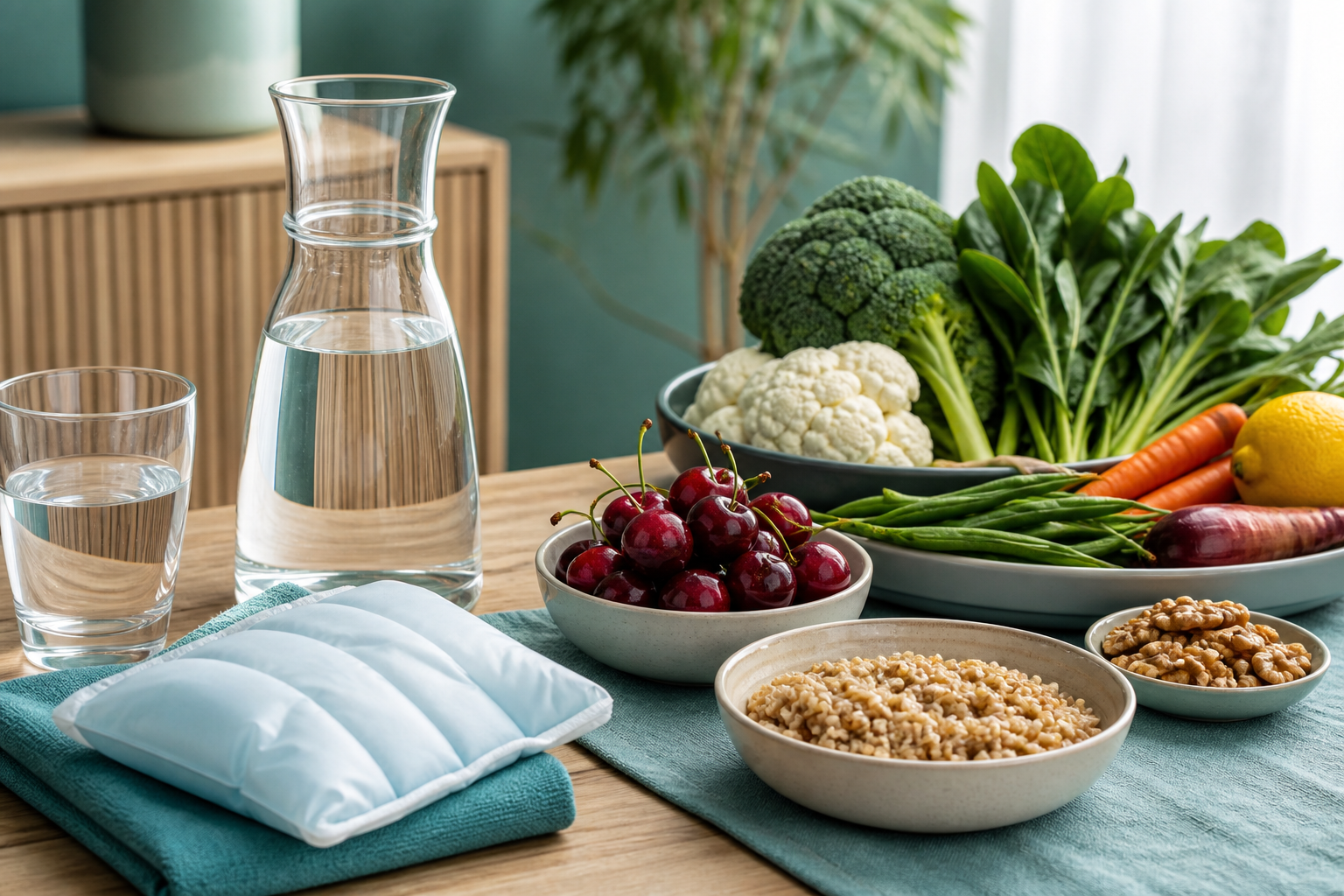
Vegetables, fruit, whole grains, beans and pulses provide fibre. Increase fibre gradually and maintain normal hydration. Avoid rapid weight-loss diets, which themselves increase gallstone risk. After gallbladder removal, most people can return to a varied diet, although smaller meals may initially feel more comfortable.
Useful supplements
Supplements should be selected for the individual rather than used automatically. Product directions and advice from an appropriately qualified professional should take precedence over general information.
| Supplement | Effects |
|---|---|
| Supergreen formula | Described as alkalising and supporting normal liver function. |
| Magnesium citrate | Intended to support appropriate calcium handling in the body. |
| High-strength lecithin granules | Supplies phosphatidylcholine, a component of bile, and is described as helping maintain cholesterol in solution. |
| Broad-spectrum digestive enzymes | Supplies lipase to assist the digestion of dietary fat. |
| Multi-strain probiotic | Intended to support cholesterol metabolism and elimination through the bowel. |
| Hop alpha acids | Intended to provide pain-relieving support. |
| Psyllium husk | Provides soluble fibre that supports bowel elimination of cholesterol. |
No supplement in this table has been shown to clear an obstructed bile duct or reliably dissolve established gallstones. Psyllium must be taken with sufficient fluid and separated from some medicines. Magnesium may cause diarrhoea, while enzymes, herbs and probiotics may be unsuitable in particular medical circumstances.
The priorities are to recognise warning signs, obtain an accurate diagnosis and avoid delaying effective treatment. Nutrition can support digestive comfort and long-term health, but severe or persistent biliary pain needs medical assessment.
Looking for personalised nutrition and lifestyle support? An FNTP member may be able to help you explore an approach suited to your individual needs. Find an FNTP practitioner.
This article is for general education and does not replace individual medical advice, diagnosis or treatment.