
Endometriosis is a long-term condition in which cells similar to those lining the womb grow elsewhere in the body. It most often affects the ovaries, fallopian tubes and pelvic lining, but may involve the bladder, bowel and, rarely, areas outside the pelvis.
Symptoms vary widely. They can include severe period pain, heavy bleeding, persistent pelvic or back pain, pain during or after sex, pain when opening the bowels or passing urine, fatigue, low mood and difficulty becoming pregnant. The severity of pain does not always reflect the amount of visible disease.
Diagnosis and treatment
Recognising serious symptoms
Anyone whose symptoms interfere with everyday life, work or relationships should see a GP. Keeping a brief record of pain, bleeding, bowel and bladder symptoms across several cycles can make the consultation more useful. Assessment may involve examination, ultrasound, MRI and sometimes laparoscopy.
There is currently no cure, but treatment can reduce symptoms. Options include pain relief, hormonal medicines such as the combined contraceptive pill, and surgery to remove endometriosis or ovarian cysts. Treatment depends on symptom severity, fertility plans and personal preference. Hormonal treatment is not used when someone is actively trying to conceive.
Persistent symptoms may warrant referral to a specialist endometriosis service. Fertility support, long-term pain management and psychological support can be part of care. Breathlessness or coughing blood in a cyclical pattern requires prompt medical attention because endometriosis can rarely affect the chest.
Food and daily life
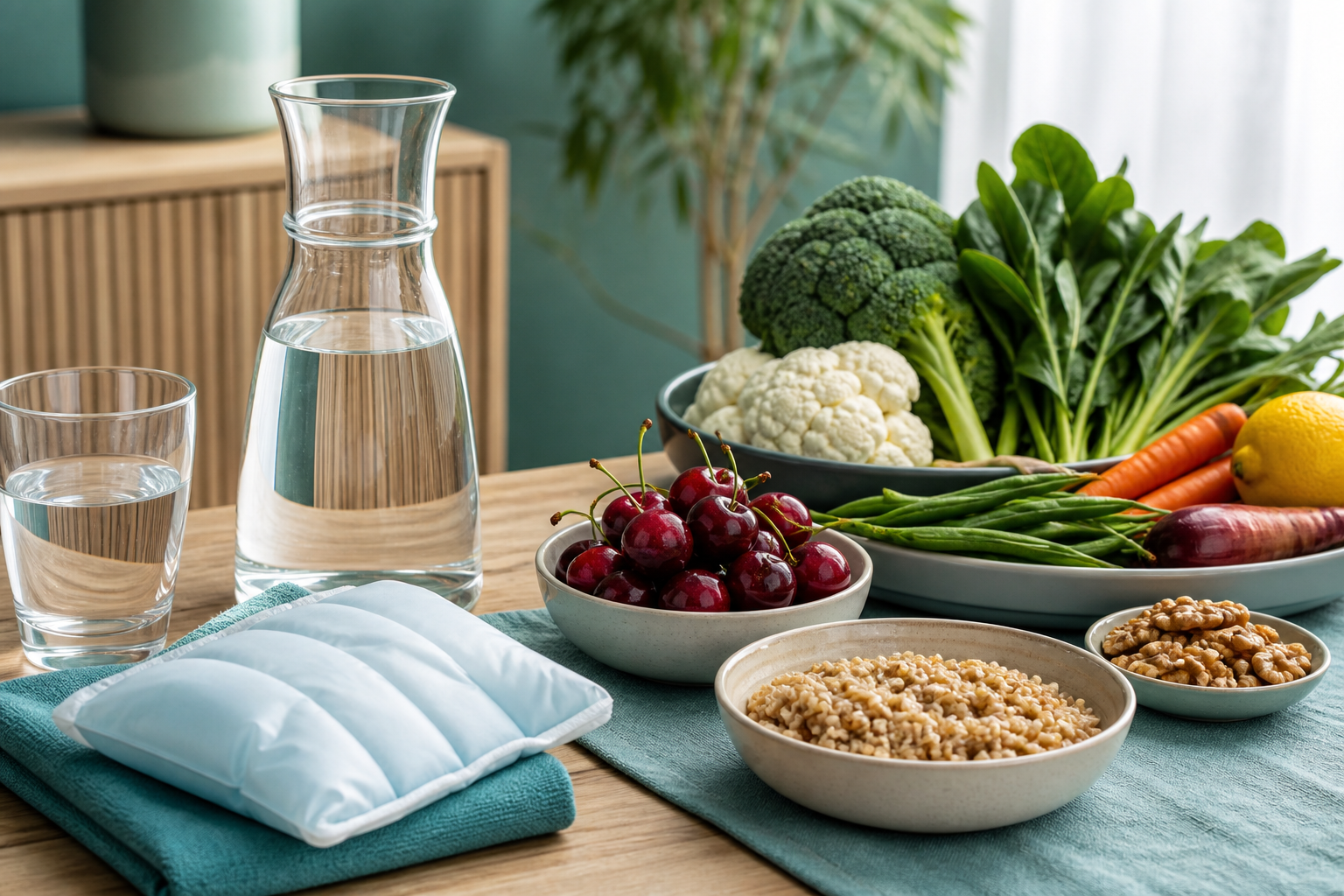
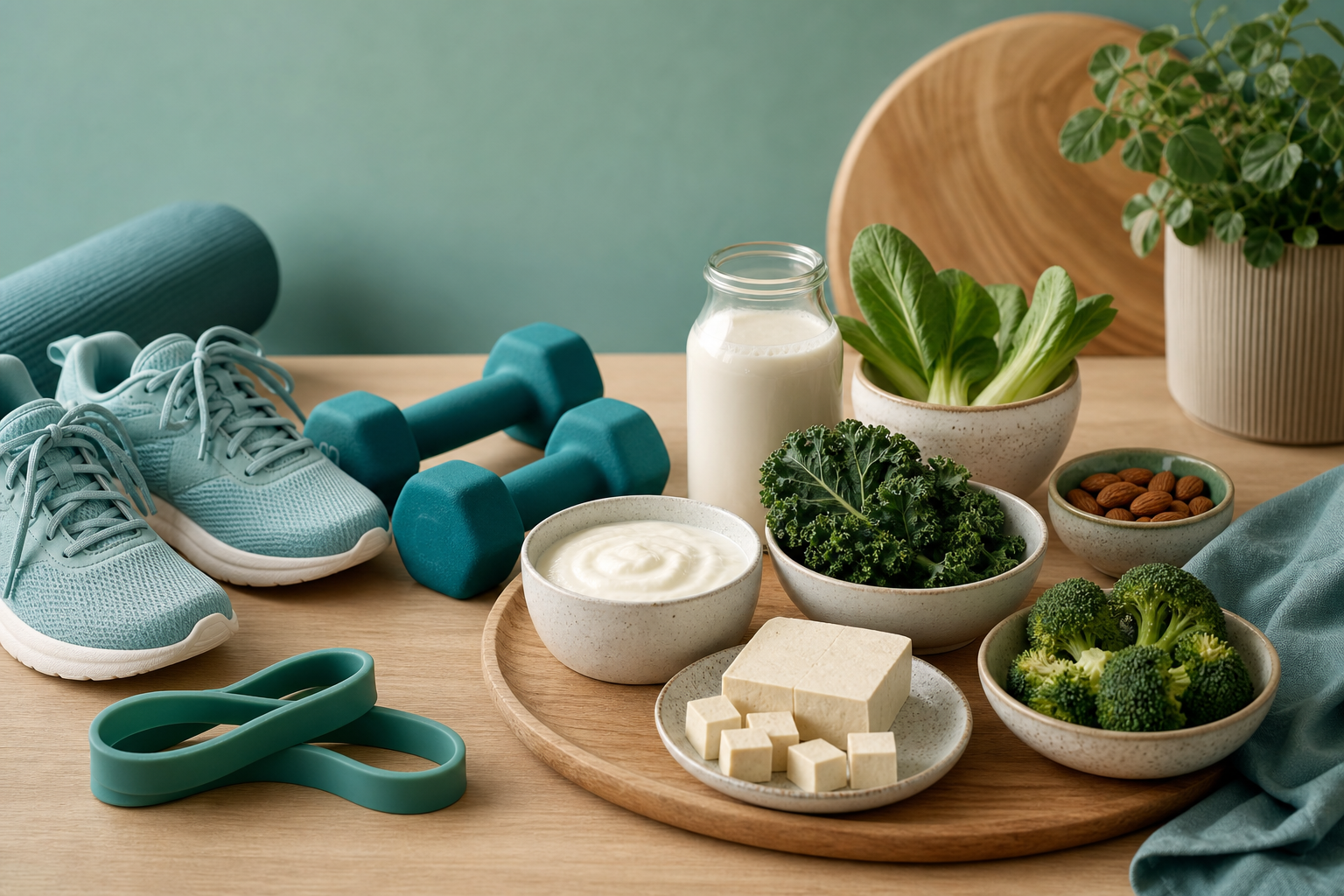
No specific diet has been proven to cure endometriosis. A balanced pattern containing vegetables, fruit, whole grains, pulses, protein foods and unsaturated fats supports general health. Oily fish, nuts and seeds provide omega-3 fats, while fibre supports bowel regularity. Gluten does not need routine exclusion unless coeliac disease, allergy or a reproducible intolerance is established.
Pain and fatigue may make shopping and cooking difficult. Simple meals, planned snacks, heat, paced activity and adequate sleep can reduce practical strain. Anyone with heavy bleeding should ask whether iron status needs checking rather than taking iron automatically.
Useful supplements
Supplements should be selected for the individual rather than used automatically. Product directions and advice from an appropriately qualified professional should take precedence over general information.
| Supplement | Effects |
|---|---|
| Comprehensive multivitamin and mineral formula | Intended to provide antioxidant support and assist normal hormone balance. |
| Krill oil | Provides EPA and DHA, described as supporting mood and the production of compounds involved in inflammatory regulation. |
| Hop alpha acids | Intended to reduce pain and inflammation. |
| Magnesium citrate | Intended to support hormone and blood-glucose balance and help reduce muscular cramps. |
| Vitamin D3 | Supports normal regulation of inflammatory processes. |
| Multi-strain probiotic | Intended to support bowel function and liver processes involved in metabolism and elimination. |
| Lecithin powder | Provides phospholipids described as supporting normal liver function. |
These are reworded reasons from the original document, not evidence that supplements remove endometriosis lesions. Magnesium may cause diarrhoea, fish oil and hop products may interact with medicines, and high-dose vitamin D can be harmful. Supplements should not delay investigation of severe pain, heavy bleeding or fertility concerns.
The source attributes endometriosis to gut disruption, poor lymphatic circulation, “excess oestrogen” and environmental toxins. These are not established explanations for an individual case. Reducing unnecessary exposure to heated food plastics is reasonable, but fear of ordinary household products should not displace evidence-based diagnosis and treatment.
Endometriosis often requires persistence and coordinated care. A realistic plan brings together symptom tracking, appropriate medical treatment, support for nutrition and fatigue, and attention to fertility and emotional wellbeing where relevant.
Looking for personalised nutrition and lifestyle support? An FNTP member may be able to help you explore an approach suited to your individual needs. Find an FNTP practitioner.
This article is for general education and does not replace individual medical advice, diagnosis or treatment.