Diverticula are small pockets that develop in the wall of the large bowel. Having these pockets without symptoms is called diverticulosis. Diverticular disease means they are associated with symptoms such as intermittent lower abdominal pain, bloating or a change in bowel habit. Diverticulitis occurs when one or more pockets become inflamed or infected.
Diverticulitis commonly causes more persistent, often left-sided abdominal pain and may be accompanied by fever, nausea, vomiting, constipation or diarrhoea. Because these symptoms overlap with irritable bowel syndrome, bowel cancer and other conditions, diagnosis should not be made from diet history alone.
Recognising serious symptoms
Seek urgent medical advice for worsening or persistent pain, fever or shivering, blood or mucus in the stool, repeated vomiting or inability to keep fluids down. Treatment may include pain relief and, when infection is suspected, antibiotics. Severe or complicated cases sometimes need hospital care.
Tests may include blood or stool analysis, a CT scan, colonoscopy or flexible sigmoidoscopy, depending on the presentation and whether another bowel condition needs to be excluded. Once diverticulitis has settled, follow-up may be advised to confirm the diagnosis and review prevention.
Eating between episodes
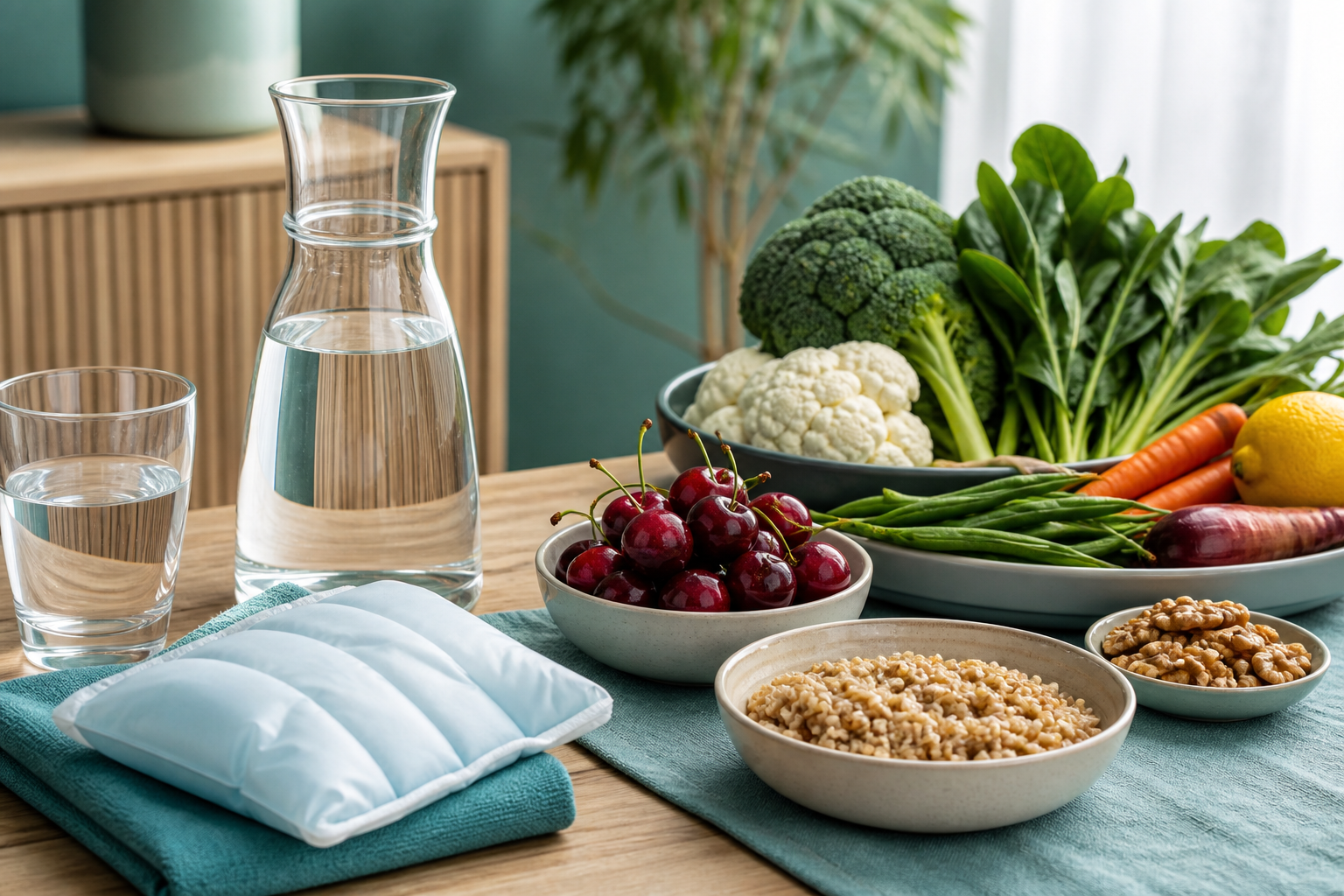
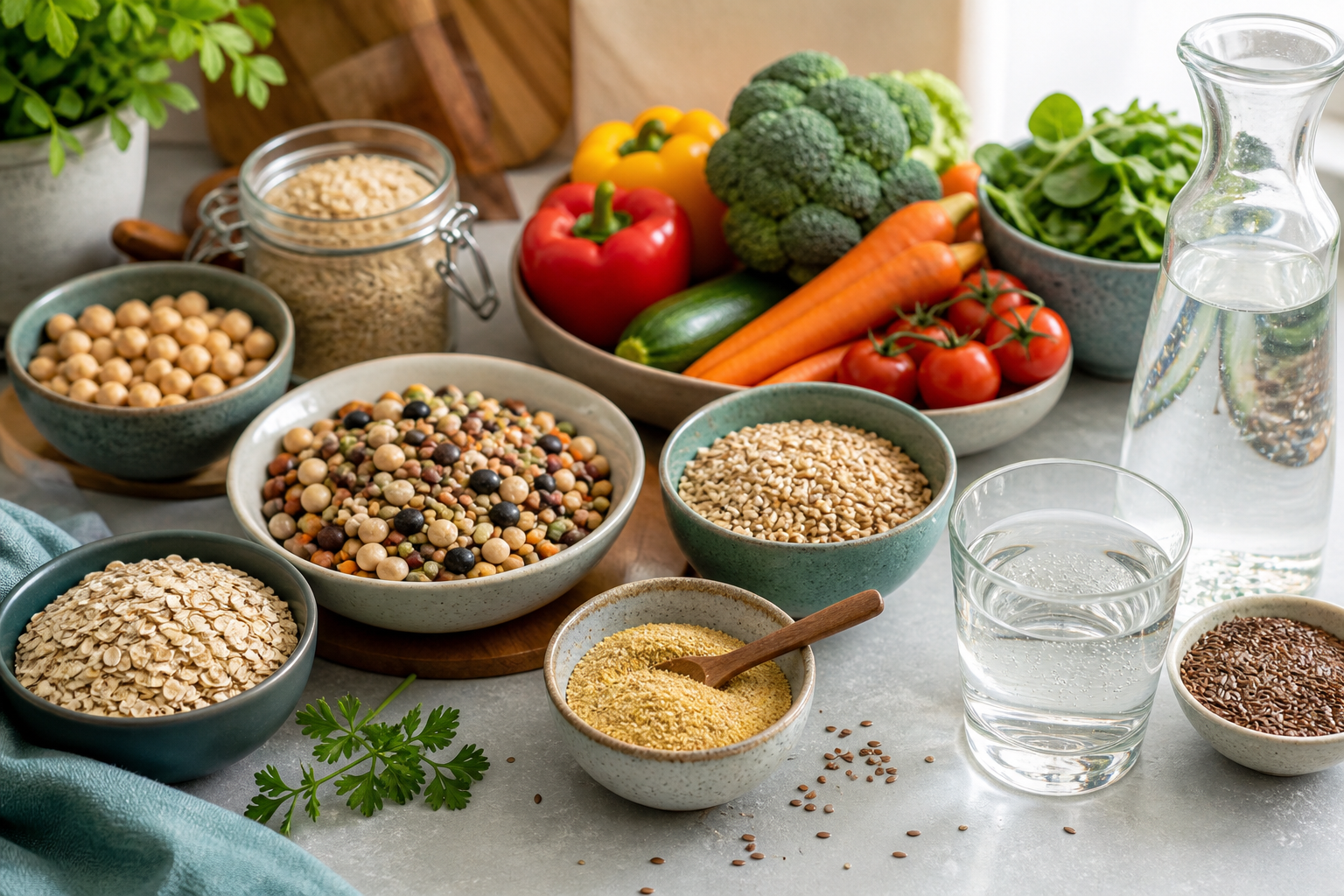
For diverticular disease, a healthy balanced diet containing whole grains, vegetables, fruit and pulses is generally recommended. Increase fibre gradually and drink enough water, since a sudden large increase can cause bloating. A bulk-forming laxative may be suggested when constipation persists.
The original document recommends avoiding gluten, red meat, bran, spicy food, salt, tea and coffee. Current NHS advice says there are no specific foods that everyone with diverticular disease must avoid. Gluten should only be excluded for coeliac disease, allergy or another well-supported reason. Nuts and seeds do not need routine avoidance.
During an acute episode, the clinical team may temporarily suggest a different diet according to symptoms and severity. This short-term advice should not be confused with the long-term goal of adequate fibre. Regular movement and a consistent bowel routine can support normal transit.
There is no requirement to avoid nuts, seeds, popcorn or fruit skins simply because diverticula are present. Personal tolerances still matter, so a brief food-and-symptom record can help identify repeatable patterns without creating an ever-growing list of prohibited foods.
The source also recommends prolonged linseed preparation and enemas. Ground linseed taken with fluid is simpler. Enemas can injure the bowel or disturb electrolytes and should only be used on the advice of an appropriate healthcare professional.
Useful supplements
Supplements should be selected for the individual rather than used automatically. Product directions and advice from an appropriately qualified professional should take precedence over general information.
| Supplement | Effects |
|---|---|
| Krill oil or marine fish oil | Intended to support inflammatory balance and the health of the intestinal wall. |
| Magnesium citrate | Intended to ease muscular contraction and support the intestinal wall. |
| Aloe vera juice | Described as supporting inflammatory balance, beneficial gut bacteria and regular bowel movements. |
| Psyllium | Provides a convenient source of fibre to increase dietary intake. |
| High-strength, multi-strain probiotic | Intended to help repopulate the bowel with beneficial bacteria. |
| Zinc citrate | Intended to support inflammatory balance and intestinal-wall health. |
| Vitamin C | Described as helping to prevent localised infection. |
| Ground flaxseed | Provides mucilage and fibre described as soothing inflammation and supporting stool formation. |
These effects reword the original “Why?” column and do not establish that the products prevent diverticulitis. Psyllium and flaxseed must be introduced with adequate fluid and kept apart from some medicines. Excess magnesium or vitamin C can cause diarrhoea, while oral aloe may cause cramping and alter bowel habit.
Supplements should never delay assessment of acute pain or fever. Probiotics and fish oil are not substitutes for antibiotics when these are clinically needed. The most useful long-term approach is usually a gradual, well-tolerated increase in fibre, sensible hydration, regular activity and prompt review when the symptom pattern changes.
Diverticular disease is often manageable, but the term “flare” should not be used to explain every episode of abdominal discomfort. New bleeding, weight loss, persistent change in bowel habit or pain with systemic illness warrants proper reassessment.
Looking for personalised nutrition and lifestyle support? An FNTP member may be able to help you explore an approach suited to your individual needs. Find an FNTP practitioner.
This article is for general education and does not replace individual medical advice, diagnosis or treatment.