Alopecia is a general term for hair loss. Alopecia areata is a particular autoimmune condition in which the immune system targets hair follicles, producing one or more smooth patches of hair loss. It can affect the scalp, facial hair, eyebrows, eyelashes or other areas of the body. Some people lose all scalp hair, known as alopecia totalis, or all body hair, known as alopecia universalis.
The course is unpredictable. Hair may regrow without treatment, remain absent or grow back in one area while another patch appears. Alopecia areata does not usually damage the hair follicle permanently, although extensive or long-standing disease can be more difficult to treat. It is neither contagious nor caused by poor hair care.
Diagnosis and medical care
A GP can assess hair loss and decide whether referral to dermatology is needed. Patchy hair loss has several possible causes, including fungal infection, traction, hormonal change and other autoimmune conditions, so self-diagnosis is unwise. Blood tests may be appropriate when symptoms suggest thyroid disease, iron deficiency or another underlying problem.
Treatment depends on age, the amount and location of hair loss, its duration and its emotional effect. Options can include topical or injected corticosteroids and specialist immune-modifying treatments. No treatment works for everyone, and the possibility of spontaneous regrowth makes outcomes difficult to predict.
Seek prompt advice if hair loss is accompanied by a painful, inflamed or scaling scalp, scarring, sudden widespread shedding or other unexplained symptoms. The psychological effect also deserves attention. Hair loss can alter identity and confidence, and support from a GP, counsellor or alopecia organisation may be as important as physical treatment.
Nutrition and daily life
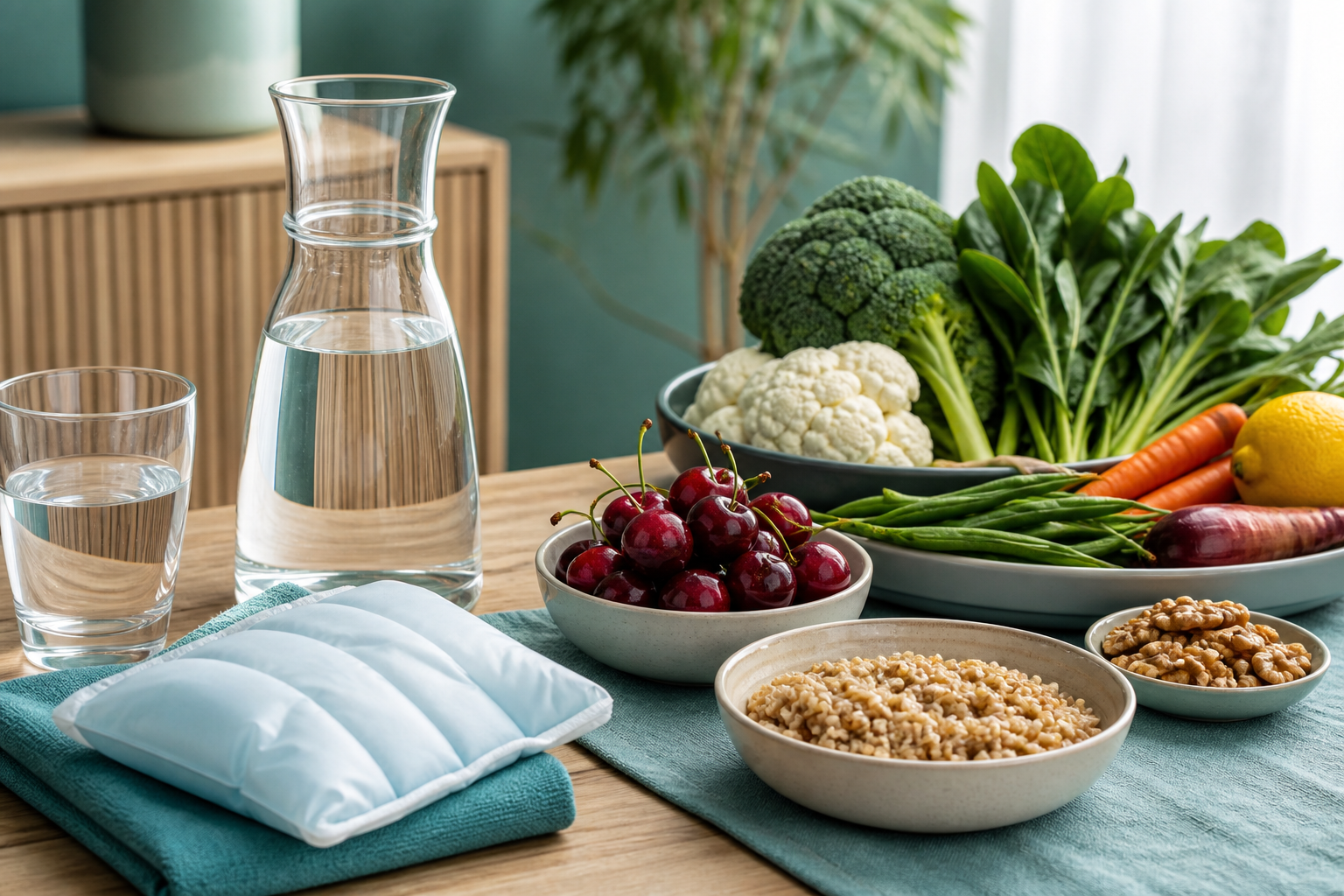
There is no established diet that cures alopecia areata. A balanced diet nevertheless provides the protein, essential fats, vitamins and minerals needed for normal hair production and general immune function. Build meals around vegetables and fruit, pulses or other protein foods, whole grains where tolerated, nuts, seeds and unsaturated fats.
Correcting a genuine deficiency may help when inadequate intake or absorption is contributing to hair shedding. Iron, vitamin B12, folate, zinc, vitamin D and thyroid status may be considered by a clinician according to symptoms and medical history. Taking large amounts “for hair” without testing can be ineffective or harmful; excess vitamin A and selenium, for example, can themselves contribute to hair loss.
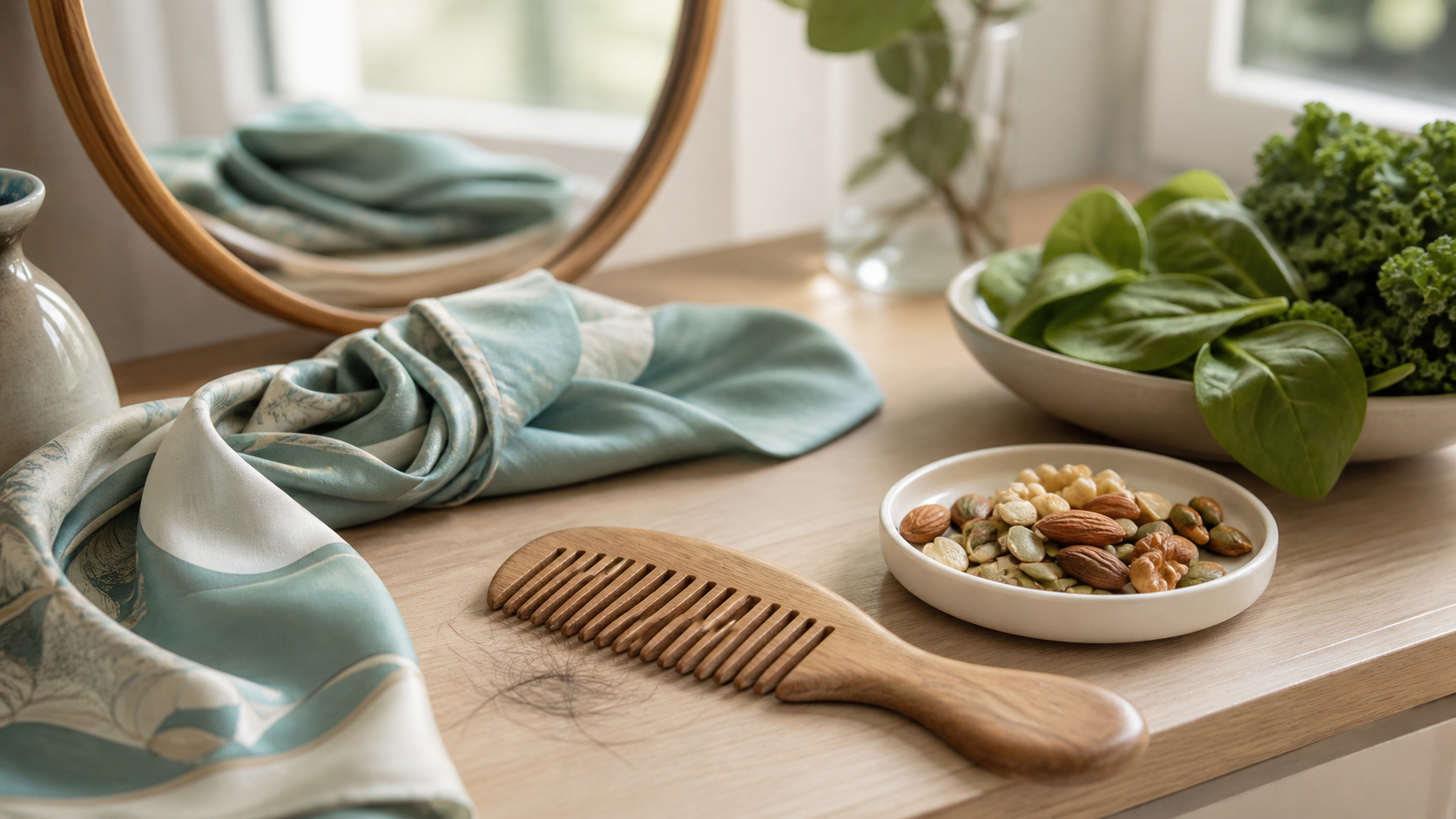
Gentle hair and scalp care can reduce breakage and irritation. Avoid tight hairstyles, aggressive brushing and repeated chemical or heat treatments on vulnerable hair. Sunscreen, hats or wigs may protect exposed scalp, while false eyelashes or glasses can help protect the eyes if eyelashes are absent.
Regular movement, sufficient sleep and realistic stress-management practices support general wellbeing. Stress does not make alopecia a person’s fault, but living with an unpredictable visible condition can itself be stressful.
Useful supplements
Supplements should be selected for the individual rather than used automatically. Product directions and advice from an appropriately qualified professional should take precedence over general information.
| Supplement | Effects |
|---|---|
| Comprehensive multivitamin and mineral formula containing biotin, zinc, B vitamins, selenium and vitamin E | Biotin supports the metabolism of scalp oils and hair strength, while B vitamins nourish the nervous system and may be needed in greater amounts during stress. |
| Vitamin A | Supports normal immune function. |
| Vitamin C | Supports immune and adrenal function. |
| Zinc citrate | Contributes to protein synthesis, immune function, vitamin A metabolism and scalp health. |
| Krill oil | Supplies omega-3 fats that support anti-inflammatory processes and scalp hydration. |
| Flax oil | Supplies omega-3, omega-6 and omega-9 fats associated with inflammatory balance and scalp hydration. |
| Sprouted barley grass | Provides protein and antioxidant nutrients. |
| Spirulina | Provides protein and antioxidant nutrients. |
| Vitamin D | Supports immune function and anti-inflammatory processes. |
| Multi-strain probiotic formula | Intended to support immune function and nutrient absorption. |
The original supplement list includes nutrients that can cause harm at excessive doses or interact with treatment. It should be treated as a discussion guide, not a prescription.
Looking for personalised nutrition and lifestyle support? An FNTP member may be able to help you explore an approach suited to your individual needs. Find an FNTP practitioner.
This article is for general education and does not replace individual medical advice, diagnosis or treatment.