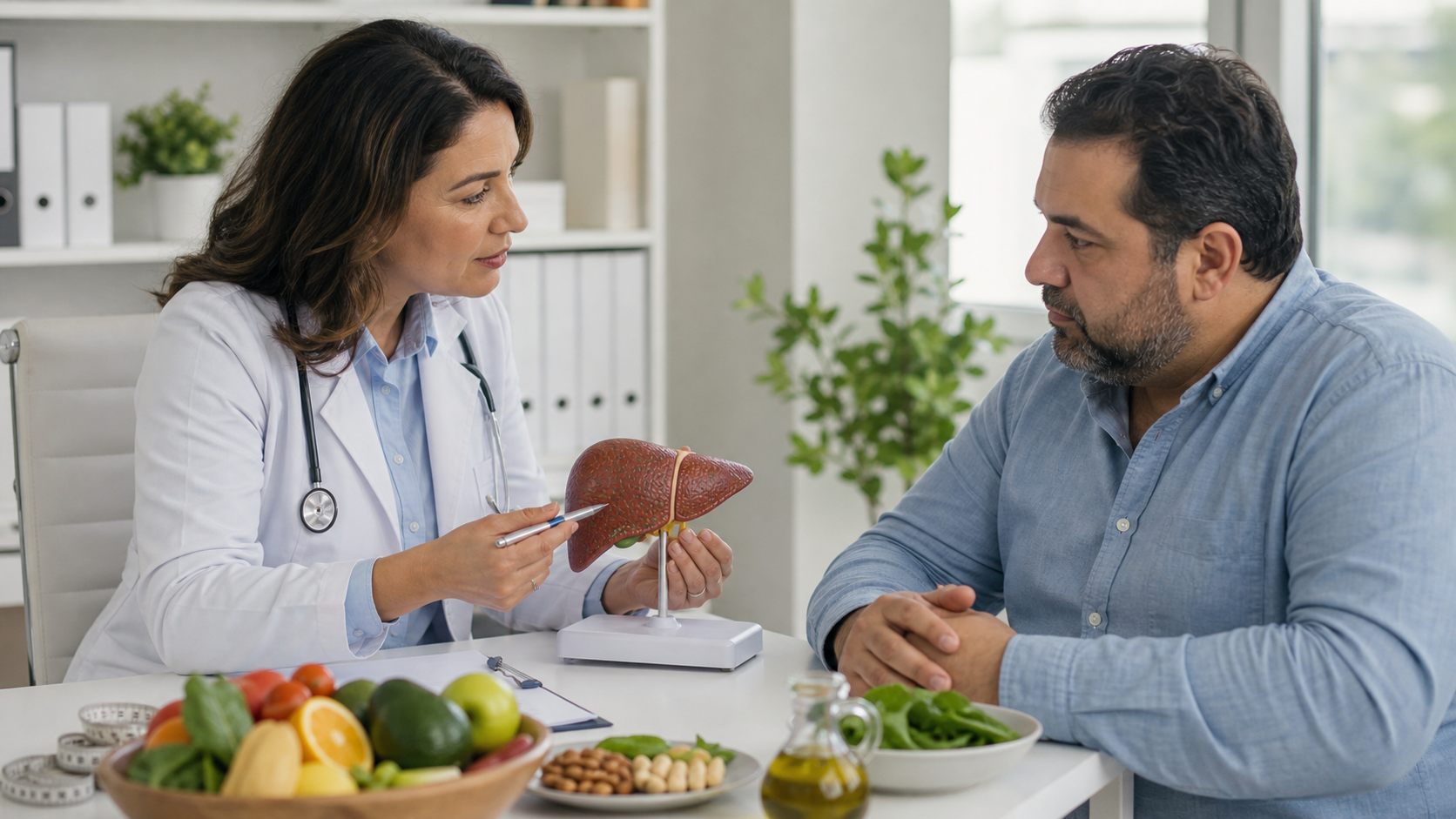

Infertility means difficulty conceiving despite regular unprotected sex. It may relate to ovulation, the womb or fallopian tubes, sperm production or function, sexual difficulties, or a combination of factors affecting both partners. In some cases, no clear cause is identified. The experience can be emotionally demanding, and language that implies personal failure is neither accurate nor helpful.
More than eight in ten couples in which the woman is under 40 conceive naturally within a year when having unprotected sex every two to three days. A GP appointment is advisable after a year without conception, or sooner when the woman is 36 or older, periods are absent or very irregular, there is a history of cancer treatment or pelvic infection, or either partner already has reason to be concerned about fertility.
Assessment and treatment
Both partners should ideally be assessed. Tests may include hormone blood tests, ultrasound imaging, checks for tubal patency and semen analysis. Endometriosis, fibroids, polycystic ovary syndrome, thyroid disorders, previous infection and some medicines can be relevant.
Treatment depends on the cause and may involve medicines to support ovulation, surgery, intrauterine insemination or IVF. Complementary therapies have not been shown to treat infertility, so nutritional support should sit alongside—not delay—specialist investigation.
Preparing for conception
A varied diet with vegetables, fruit, whole grains, legumes, suitable protein and unsaturated fats helps both partners meet nutrient needs. Smoking, recreational drugs and anabolic steroids can impair fertility. Alcohol should be avoided when trying to become pregnant, and prescribed medicines should never be stopped without medical advice.
Body weight at either extreme may affect ovulation, sperm health and pregnancy risk. Sustainable changes are preferable to restrictive diets. Moderate activity, regular sleep and emotional support can be valuable, but stress should not be presented as the sole explanation for infertility.
Anyone who may become pregnant should take 400 micrograms of folic acid daily from the start of trying—ideally three months beforehand—until 12 weeks of pregnancy. Some people need a prescribed higher dose. Vitamin D guidance also applies. Pregnancy-specific products should not contain vitamin A as retinol.
Useful supplements
Supplements should be selected for the individual rather than used automatically. Product directions and advice from an appropriately qualified professional should take precedence over general information.
| Supplement | Effects |
|---|---|
| Krill oil or marine fish oil | Provides omega-3 fats used in cell membranes and signalling compounds and may support general reproductive health. Fish-liver oils containing retinol are unsuitable when pregnancy is possible. |
| A multivitamin and mineral formula containing B vitamins and magnesium | Helps cover dietary gaps and supports energy metabolism and normal hormone-related processes. Choose a pregnancy-appropriate formula without retinol. |
| Vitamin C | Supports antioxidant protection, connective tissue and normal immune function; it also helps iron absorption. High doses are not proven to improve fertility. |
| Vitamin E | Works within antioxidant systems that protect cell membranes, including those of reproductive tissues. |
| Selenium | Supports antioxidant enzymes and normal sperm production. The source dose has been corrected to micrograms; excess selenium is toxic. |
| Zinc citrate | Contributes to normal fertility, reproduction and sperm production. Long-term high doses can reduce copper status. |
| L-arginine and L-carnitine | Participate in metabolic processes relevant to sperm formation and motility, although supplement evidence is mixed and they are not suitable for everyone. |
| Folic acid | Reduces the risk of neural-tube defects when 400 micrograms is taken daily before conception and through the first 12 weeks; a clinician may prescribe 5 mg for higher-risk pregnancies. |
| Iodine | Supports normal thyroid-hormone production, which is relevant to conception and pregnancy. Extra iodine can be harmful in thyroid disease and requires professional guidance. |
| Vitamin D3 | Supports normal immune and muscle function. A daily 10-microgram supplement is commonly advised in the UK during autumn and winter, with individual advice for deficiency. |
| Coenzyme Q10, preferably ubiquinol | Supports cellular energy production and antioxidant protection; preliminary studies concern egg and sperm parameters, but pregnancy benefit is unproven. |
| Spirulina or a green-powder formula | Adds concentrated plant nutrients and antioxidant compounds; claims that it “alkalises” the body are not physiologically accurate. |
| A broad-spectrum probiotic | Supports intestinal microbial balance and digestion. It has not been established as a treatment for infertility. |
Because supplements may interact with fertility medicines or be inappropriate once pregnancy begins, the clinic should be told about every product being used.
Looking for personalised nutrition and lifestyle support? An FNTP member may be able to help you explore an approach suited to your individual needs. Find an FNTP practitioner.
This article is for general education and does not replace individual medical advice, diagnosis or treatment.