
Atherosclerosis is the gradual build-up of fatty plaque within artery walls. The arteries become narrower and less flexible, reducing blood flow and increasing the risk of heart attack, stroke and peripheral arterial disease. It often causes no symptoms until circulation is significantly restricted or a plaque ruptures and a clot forms.
Possible signs include exertional chest pain, breathlessness or leg pain when walking. Sudden heavy chest pain, facial droop, arm weakness, speech difficulty, severe breathlessness or confusion is an emergency requiring 999. Risk rises with smoking, high LDL cholesterol, high blood pressure, diabetes, kidney disease, age and family history.
Slowing progression
Atherosclerosis is not treated by “moving calcium” out of arteries. Statins reduce LDL cholesterol and future cardiovascular events; blood-pressure and diabetes medicines address additional risk, and antiplatelet treatment is used when clinically indicated. Severe narrowing may require angioplasty, stenting or surgery.
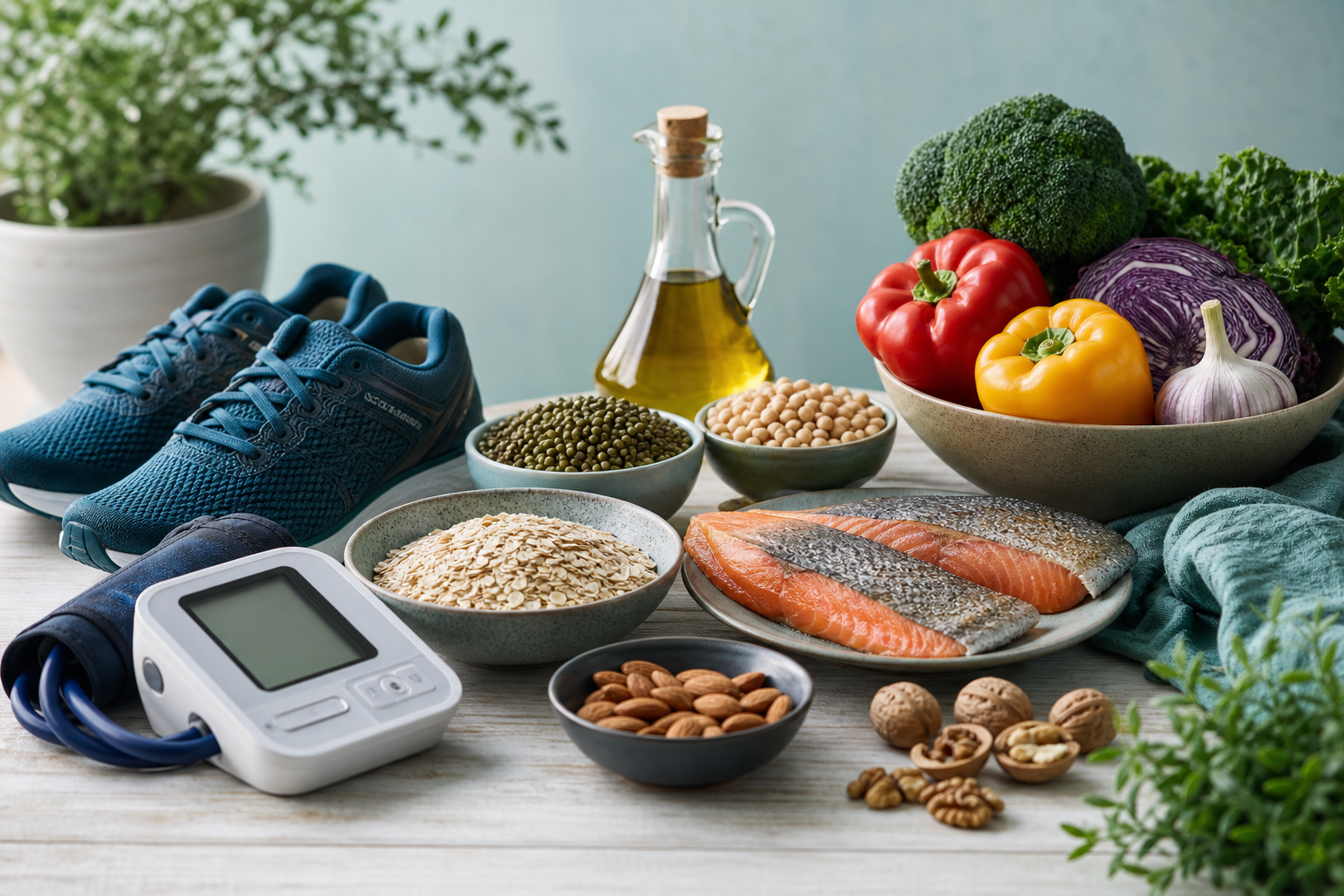
Stopping smoking is one of the most effective interventions. A Mediterranean-style diet rich in vegetables, fruit, pulses, whole grains, nuts, seeds, fish and unsaturated oils helps improve risk factors. Regular activity, appropriate weight management, moderate alcohol and good sleep complement—not replace—prescribed treatment.
Useful supplements
Supplements should be selected for the individual rather than used automatically. Product directions and advice from an appropriately qualified professional should take precedence over general information.
| Supplement | Effects |
|---|---|
| Magnesium citrate | Supports normal vascular smooth-muscle, blood-pressure and mineral metabolism. |
| Krill oil or marine fish oil | Provides EPA and DHA, which can lower triglycerides and support cell-membrane and inflammatory function; they may also reduce platelet aggregation. |
| Vitamin C | Provides antioxidant protection and supports collagen formation in blood-vessel walls. |
| High-potency garlic capsule | Contains sulphur compounds described as reducing platelet aggregation and modestly influencing cholesterol. |
Fish oil is useful for selected people with raised triglycerides, but over-the-counter products have not been shown to replace statins or reverse plaque. Garlic and omega-3 supplements can increase bleeding, particularly with aspirin, clopidogrel or anticoagulants. High-dose vitamin C may cause diarrhoea or kidney stones, and magnesium can interact with medicines.
Cardiovascular risk should be measured rather than guessed. Blood pressure, lipid profile, diabetes status, smoking and symptoms provide the basis for a plan with a realistic chance of preventing a heart attack or stroke.
Looking for personalised nutrition and lifestyle support? An FNTP member may be able to help you explore an approach suited to your individual needs. Find an FNTP practitioner.
This article is for general education and does not replace individual medical advice, diagnosis or treatment.