Cold sores are small, fluid-filled blisters caused by herpes simplex virus, usually HSV-1. After the first infection, the virus remains inactive in nearby nerve cells and may reactivate later. Recurrences can follow illness, tiredness, emotional stress, menstruation or exposure to strong sunlight, although a trigger is not always identifiable.
An outbreak often begins with tingling, itching or burning. One or more painful blisters usually appear during the following 48 hours, then burst and form a scab before the skin heals. Most cold sores begin to settle within about ten days. A mouth ulcer, spot, impetigo or another skin condition can resemble a cold sore, so an unfamiliar lesion should not automatically be self-diagnosed.
Treatment and sensible self-care
Antiviral cream may shorten an outbreak slightly when applied at the earliest tingling stage. A pharmacist can advise on antiviral products, protective patches and pain relief. Antiviral tablets may be prescribed when sores are very large, particularly painful or frequently recurring.
Pain can be managed with an appropriate medicine such as paracetamol or ibuprofen, provided it is suitable for the individual. Cool drinks and bland foods may feel more comfortable; salty or acidic foods can irritate an open sore. Fluids remain important if eating and drinking are uncomfortable. Sun-sensitive sufferers may find that an SPF lip balm helps reduce a known trigger.
Recognising serious symptoms
See a GP if a sore has not started healing within ten days, is unusually large or painful, keeps recurring, or is accompanied by painful swollen gums and widespread mouth sores. People who are pregnant, immunocompromised or uncertain about the diagnosis should seek clinical advice rather than repeatedly treating themselves.
Preventing spread
A cold sore is contagious from the first tingling sensation until it has healed completely. Wash hands with soap and water before and after applying treatment, dab rather than rub cream onto the area, and avoid picking the blister or scab. Do not share lip balm, towels, cups, cutlery or other items that touch the mouth.
Kissing and oral sex should be avoided while symptoms are present because oral herpes can be passed to another person or to their genital area. Never kiss a newborn baby when you have a cold sore: neonatal herpes is rare but potentially very serious. Take care not to transfer the virus to the eyes or broken skin.
Food, stress and immune health
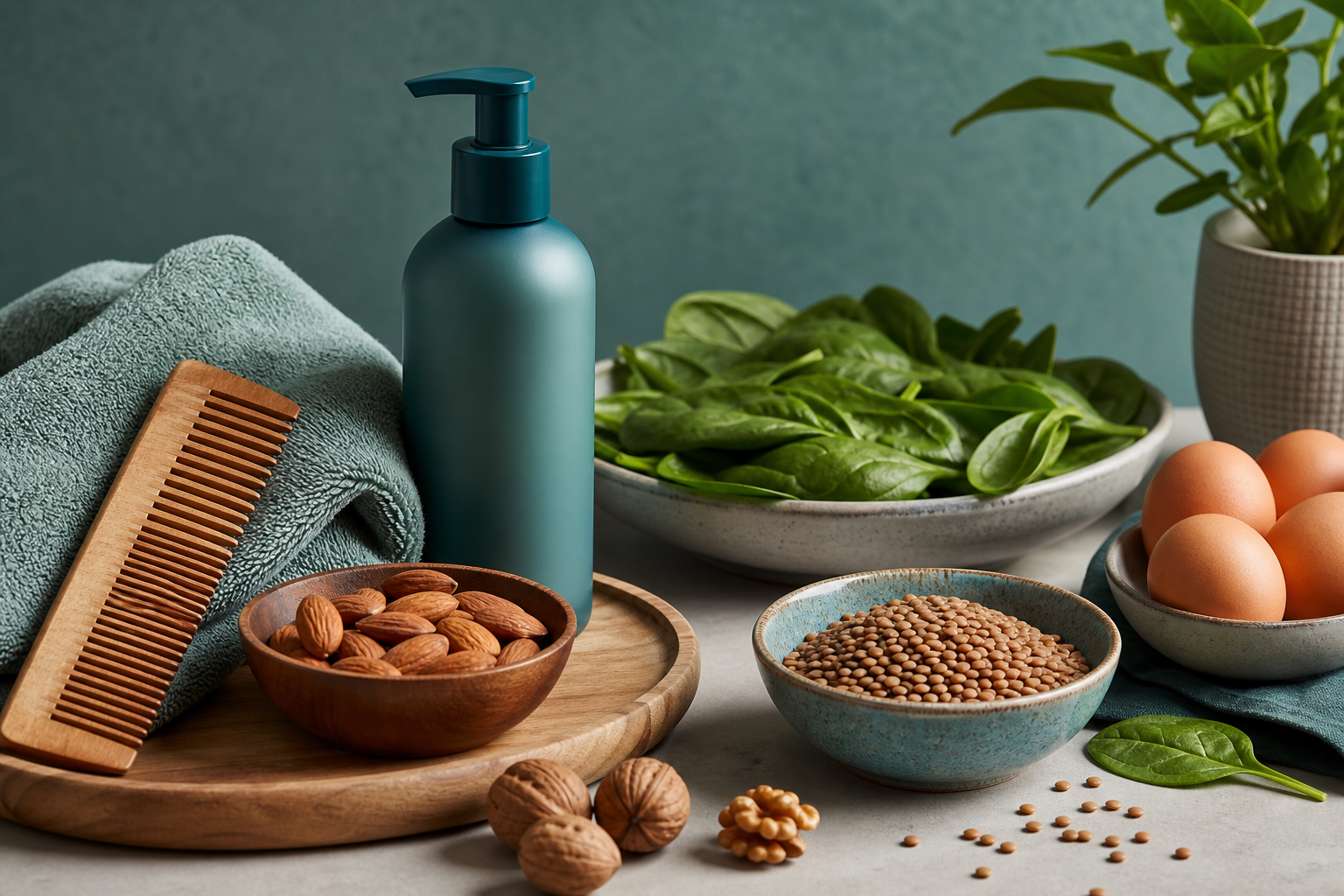
There is no diet that removes herpes simplex from the body. Regular meals containing vegetables, fruit, protein foods, whole grains or suitable alternatives, and unsaturated fats support general health during recovery. Sleep, stress management and avoiding smoking may also help wellbeing, but recurrent sores should not be interpreted simply as evidence of a “weak immune system.”
The original article recommends temporarily reducing arginine-rich foods and increasing lysine-rich foods. Laboratory findings about these amino acids do not translate into a universally effective cold-sore diet, and unnecessarily restricting nuts, seeds, meat, fish, beans or whole grains can reduce dietary quality. Anyone noticing a consistent personal trigger can discuss a short, structured trial with a qualified practitioner.
Useful supplements
Supplements should be selected for the individual rather than used automatically. Product directions and advice from an appropriately qualified professional should take precedence over general information.
| Supplement | Effects |
|---|---|
| Lysine | Described in the source as helping to prevent cold sores and provide relief during an outbreak. |
| Vitamin C | Provides antioxidant support and contributes to the normal functioning of the immune system. |
| Zinc | Intended to support immunity and skin healing and may help reduce the duration of an outbreak. |
| Vitamin D3 | Supports normal immune function. |
| Whole-leaf aloe vera juice | Provides anthraquinone compounds described as supporting immunity against the cold-sore virus and assisting skin healing; the source also suggests topical use. |
| Krill oil | Intended to support inflammatory balance and immune function. |
| High-strength, multi-strain probiotic | Intended to provide underlying support for normal immune function. |
| Broad-spectrum multivitamin and mineral formula | Intended to address dietary nutrient gaps and support the immune and nervous systems during periods of stress. |
These are reworded reasons from the original document, not evidence that every product prevents or treats cold sores. Concentrated lysine may interact with health conditions or medicines, excessive zinc can cause adverse effects, and oral aloe products may have laxative effects. Topical products should never be put in or near the eye. Supplements should not delay antiviral treatment or assessment when an outbreak is severe.
For most people, the practical priorities are early recognition, prompt use of an appropriate antiviral product, careful hygiene and patience while the skin heals. Frequent or troublesome recurrences merit a clinical conversation because prescription treatment may be more useful than increasingly complicated dietary restrictions.
Looking for personalised nutrition and lifestyle support? An FNTP member may be able to help you explore an approach suited to your individual needs. Find an FNTP practitioner.
This article is for general education and does not replace individual medical advice, diagnosis or treatment.