Glaucoma describes a group of eye conditions in which the optic nerve is damaged. The nerve carries visual information from the eye to the brain, and damage can lead to permanent loss of sight. Raised pressure inside the eye is an important risk factor, but glaucoma can also occur when eye pressure falls within the statistically normal range.
The most common form, primary open-angle glaucoma, usually develops slowly and initially affects peripheral vision. Because the brain adapts to gradual change, a person may not realise that sight is being lost. Regular eye examinations are therefore essential, especially with increasing age or a family history of glaucoma.
Acute angle-closure glaucoma is different. Sudden severe eye pain, a red eye, headache, nausea, blurred vision or haloes around lights is a medical emergency and needs immediate assessment.
Risk, detection and treatment
Risk is higher in older adults, people with a close relative who has glaucoma, those of African, Caribbean or Asian heritage, and people with marked short- or long-sightedness. Diabetes, previous eye injury and prolonged corticosteroid use may also be relevant. Steroid tablets, inhalers, creams and eye drops should not be stopped suddenly, but eye-care professionals need to know about them.
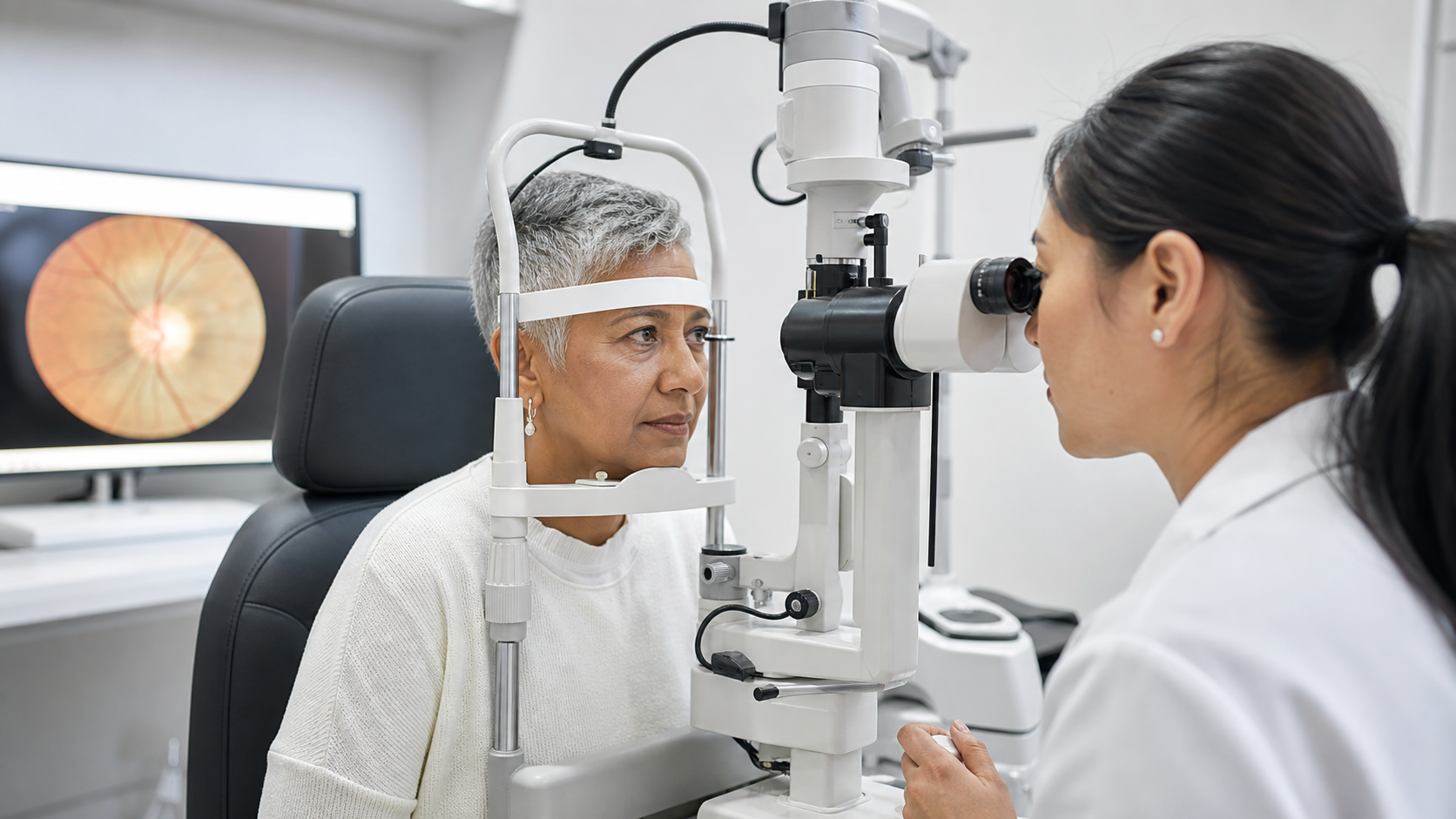
An eye examination may include pressure measurement, inspection of the optic nerve, assessment of peripheral vision and measurement of the drainage angle or corneal thickness. A single normal pressure reading does not exclude glaucoma.
Treatment cannot restore sight already lost, but it can slow or prevent further damage. Eye drops are commonly used; laser treatment or surgery may be advised when additional pressure control is needed. Correct technique and regular use are crucial. If drops cause irritation or are difficult to administer, the prescriber can discuss alternatives rather than treatment being abandoned.
Supporting general eye health
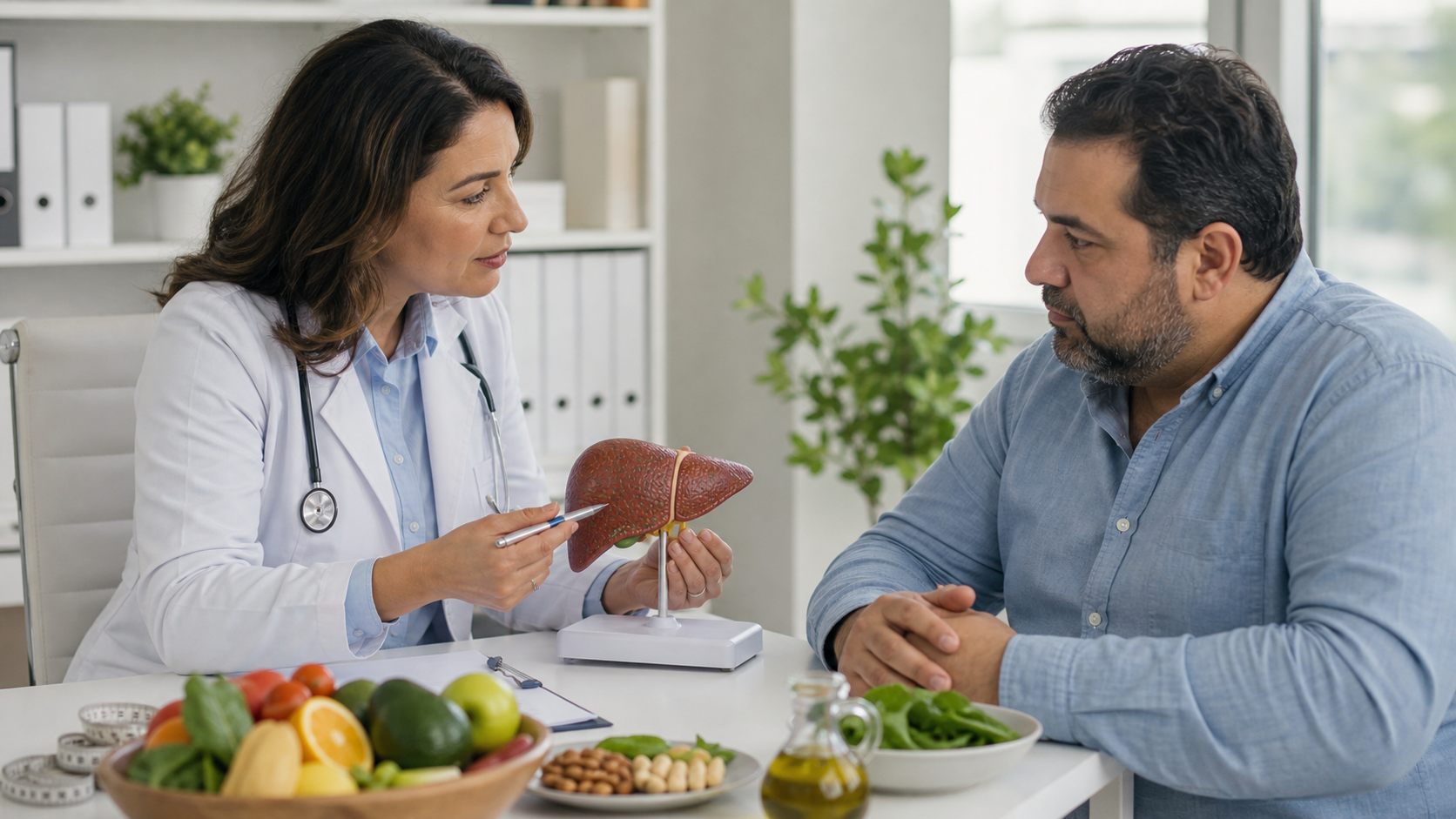
Nutrition does not replace pressure-lowering treatment. A balanced pattern rich in colourful vegetables and fruit, legumes, whole grains, nuts, seeds and fish supports vascular and eye health generally. Regular activity, not smoking, moderating alcohol and managing blood pressure and diabetes are also sensible.
Very large fluid volumes consumed quickly can temporarily raise eye pressure in some people, whereas ordinary hydration spread through the day is appropriate. Caffeine sensitivity varies. Any proposed change should be discussed with the clinical team rather than being used as a reason to restrict fluid excessively.
Useful supplements
Supplements should be selected for the individual rather than used automatically. Product directions and advice from an appropriately qualified professional should take precedence over general information.
| Supplement | Effects |
|---|---|
| An antioxidant formula containing lutein and zeaxanthin | Provides carotenoids concentrated in the retina and supports antioxidant protection of eye tissues. It has not been shown to replace glaucoma treatment. |
| Krill oil or marine fish oil | Supplies omega-3 fats that support cell membranes and have anti-inflammatory effects. Evidence for lowering glaucoma risk or pressure is not established. |
| A multivitamin and mineral formula containing zinc, selenium and vitamins C and E | Contributes to antioxidant protection and normal tissue repair where dietary intake is inadequate. High doses are not automatically beneficial. |
| Organic spirulina | Supplies pigments and micronutrients with antioxidant activity, although evidence for a clinical effect in glaucoma is limited. |
Some supplements alter bleeding risk or interact with medicines. People being considered for laser or surgery should disclose every product they take. The priorities remain regular monitoring, prescribed treatment and prompt attention to any sudden visual change.
Looking for personalised nutrition and lifestyle support? An FNTP member may be able to help you explore an approach suited to your individual needs. Find an FNTP practitioner.
This article is for general education and does not replace individual medical advice, diagnosis or treatment.