
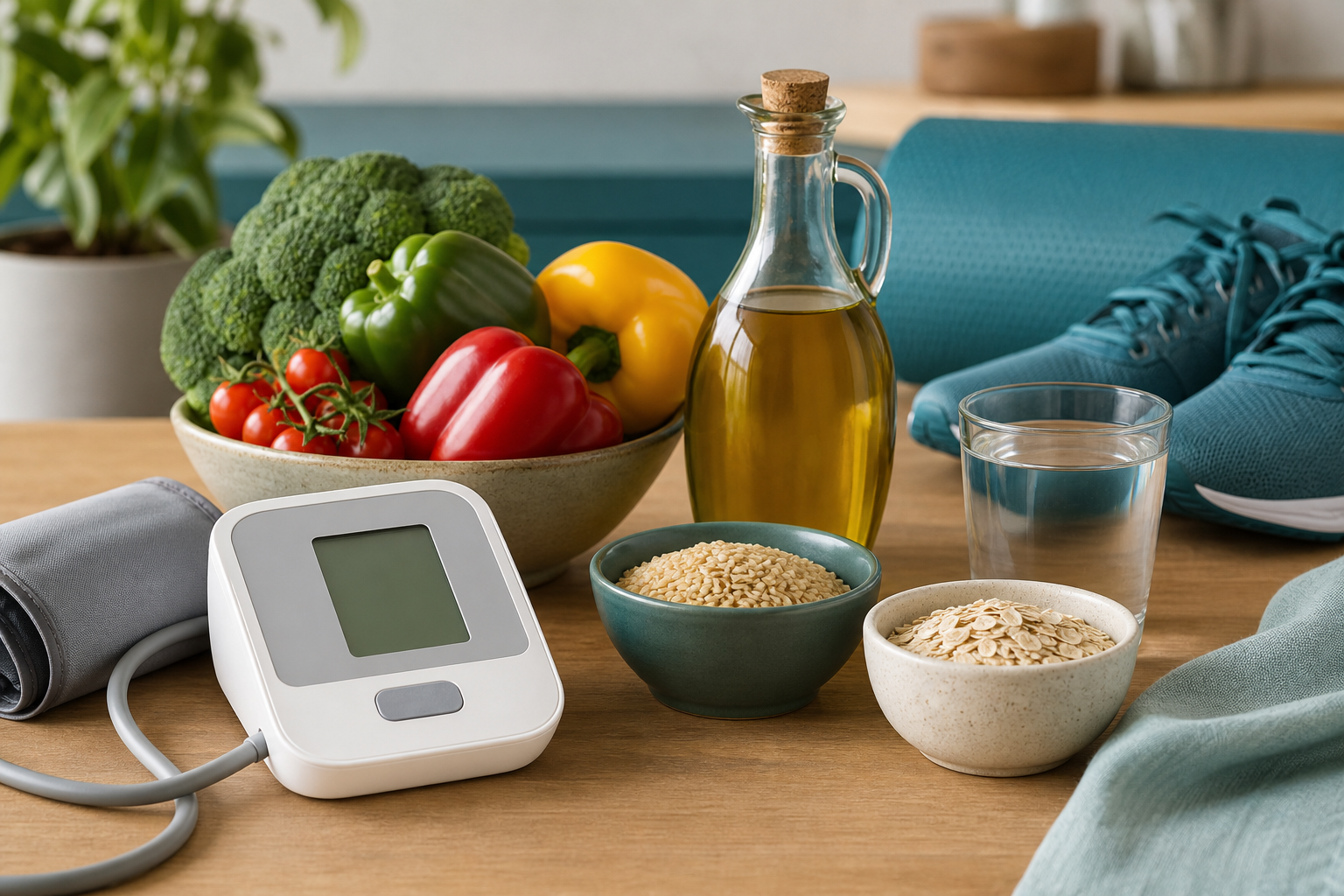
High blood pressure, or hypertension, places sustained strain on blood vessels, the heart, brain, kidneys and eyes. It increases the risk of heart attack, stroke, heart failure, kidney disease and vascular dementia. Most people feel no different, so a measurement rather than symptoms is needed to detect it.
A reading is usually considered high at 140/90 mmHg or above in a clinic, or 135/85 mmHg or above at home. One raised result does not always confirm hypertension: ambulatory or structured home monitoring may be used. Adults aged 40 or over should have periodic checks, and people with additional risk may need them more often.
Treatment protects future health
Medicines are commonly recommended when blood pressure is very high, cardiovascular risk is elevated or lifestyle changes are insufficient. Many people need more than one medicine. Do not stop treatment because a later reading is normal; this often means the plan is working.
Recognising serious symptoms
Chest pain, sudden weakness, speech difficulty or other possible heart-attack or stroke symptoms require emergency help. High blood pressure in pregnancy may signal pre-eclampsia and must be monitored by the maternity team.
Food, movement and smoking
A diet rich in vegetables, fruit, whole grains, pulses, nuts, seeds and suitable protein foods supports blood-pressure control. Reduce highly salted processed foods and avoid routinely adding salt. Potassium-rich foods can be helpful for many people, but those with kidney disease or taking certain medicines may need individual advice.
Aim for regular activity suited to health and mobility, gradual weight loss where appropriate, no smoking and no more than 14 alcohol units a week. Excess caffeine can raise blood pressure in some people. These changes complement medication and should be monitored using reliable readings.
Useful supplements
Supplements should be selected for the individual rather than used automatically. Product directions and advice from an appropriately qualified professional should take precedence over general information.
| Supplement | Effects |
|---|---|
| Vitamin C with bioflavonoids | Supports normal collagen formation and arterial tissue health. |
| High-potency antioxidant formula | Provides antioxidant nutrients described as supporting arterial health. |
| Vitamin E | Provides antioxidant support for arterial and heart health. |
| Krill oil or fish oil providing EPA and DHA | Provides omega-3 fats described as supporting heart, arterial and normal clotting function. |
| Potassium citrate | Supports normal fluid balance and blood-pressure regulation when potassium intake is inadequate. |
| Coenzyme Q10 in ubiquinol form | Supports cellular energy production and cardiovascular function. |
| Magnesium citrate | Supports normal vascular tone, kidney function and heart rhythm. |
| Vitamin D | Supports normal regulation of immune and inflammatory processes. |
Potassium supplements can be dangerous with kidney disease or medicines such as ACE inhibitors, ARBs and potassium-sparing diuretics. Fish oil and vitamin E may increase bleeding risk with anticoagulants; CoQ10 can also interact with warfarin. Magnesium, vitamin D and antioxidant doses should be reviewed rather than assumed safe.
High blood pressure deserves methodical follow-up, not an attempt to replace prescribed medicine with supplements. Accurate measurement, consistent treatment and sustainable habits together provide the strongest reduction in long-term risk.
Looking for personalised nutrition and lifestyle support? An FNTP member may be able to help you explore an approach suited to your individual needs. Find an FNTP practitioner.
This article is for general education and does not replace individual medical advice, diagnosis or treatment.